Angolia Script: A Delicate Handwritten Font for Creative Projects
I was working on a brand identity project for a small handmade soap shop the other day, and I found myself staring at a blank brand board. The challenge was to create something that felt both luxurious and approachable. That’s when I decided to test Angolia Script—a delicate, elegant, and flowing handwritten font. It didn’t take long to realize that this typeface had a unique charm that fit perfectly with the brand’s personality.
A Flowing Script with Balanced Elegance
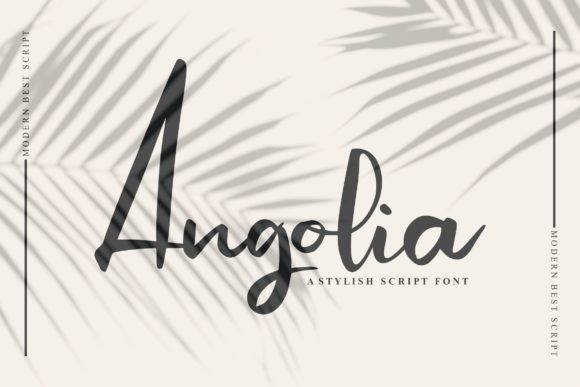
Angolia Script is exactly what it sounds like—a beautifully balanced script font with a natural flow that feels almost like handwriting. Each character has a graceful curve, and the spacing between letters feels intentional, giving the font a refined look without being overly ornate. It’s not too cursive or wild, which makes it versatile enough to work in various design contexts.
What stood out to me most was how well the characters balanced each other. There’s no awkwardness or forced elegance here; everything feels organic and well-proportioned. This kind of balance is rare in script fonts, and it’s one of the reasons Angolia Script stands out from the crowd.
Testing Angolia Script in Real Branding Work
I started by using Angolia Script as the primary font for the logo concept. The soft curves and elegant feel matched the handmade nature of the product perfectly. When paired with a clean sans-serif font for body text, the contrast helped establish a clear visual hierarchy without clashing.
Next, I tested it on a packaging mockup. The font looked amazing on a label, especially when used with minimalistic design elements. It added a touch of sophistication without overwhelming the product. For social media graphics, I used it in short phrases and taglines, where its decorative flair really shone through.
On the website header, I experimented with different weights and sizes. While it worked well as a display font, I noticed that smaller sizes lost some of their legibility. This made me think about the best use cases for Angolia Script—it's definitely more of a display or accent font than something meant for long paragraphs of text.
Where Angolia Script Shines and Where It Might Fall Short
Angolia Script is ideal for projects that need a personal, artistic, or luxurious feel. Think boutique branding, café logos, skincare labels, or creative studio identities. It works particularly well in situations where you want to evoke emotion or add a sense of craftsmanship.
However, it’s not the best choice for long-form content or formal corporate branding. Readability can be an issue at smaller sizes, and the font may not convey the professionalism needed for certain industries. If you're designing a business card or a poster, Angolia Script can be a great accent, but always pair it with a more readable supporting font.
Font Pairing and Practical Tips
I found that pairing Angolia Script with a modern sans-serif font like Montserrat or Lato created a nice contrast. The combination felt fresh and professional, making it suitable for both digital and print applications. For a more traditional look, a serif font like Playfair Display could also work well, especially in editorial or luxury branding.
If you’re considering using Angolia Script in client work, make sure to test it thoroughly. Try it in different sizes, colors, and backgrounds to see how it behaves. Also, check the licensing terms carefully before incorporating it into any commercial design. Some fonts have restrictions on usage, and it’s important to stay within those guidelines to avoid legal issues.
Another practical tip is to explore the included styles and alternates. Many script fonts come with swashes and ligatures that can enhance your designs. These features can help you create more dynamic typography, especially for logos or headings.
Whether you're designing a brand identity, creating social media assets, or working on packaging, Angolia Script offers a unique blend of elegance and versatility. Just remember to use it wisely, and always consider how it will perform in the final context before committing to it in a project.